
Post Surgery Physical Therapy in Denver

Recovering from surgery takes more than time. The right post surgery physical therapy helps you rebuild strength, restore motion, and return to the life you had before, safely and at the pace your body can handle. At Total Physical Therapy in Denver, every post-op patient works one-on-one with their physical therapist through each stage of recovery, with a plan built around your surgeon’s protocol from day one. If you want the background first, see how physical therapy helps with post-surgical rehabilitation.
Why Physical Therapy After Surgery Matters
Surgery repairs the underlying problem, but it also places stress on the surrounding muscles, joints, and tissue. Physical therapy after surgery is what turns a successful procedure into a full recovery. Guided rehab helps break down scar tissue, restore joint motion and stability, retrain muscles to fire correctly, and improve circulation, which lowers the risk of complications such as blood clots.
Skipping or delaying rehab can leave you with lasting stiffness, weakness, or compensation patterns that create new problems later. Done well, post surgical rehab can reduce the extra treatment, medication, and downtime you need, and help you return to daily life and activity with confidence rather than guesswork.
Mobility is often the hardest thing to rebuild, since surgery and the rest that follows it leave the affected joint stiff and the surrounding muscles weak. The knee, hip, and shoulder in particular need structured rehab to move well again. Beyond restoring motion and strength, post-op physical therapy also supports balance and coordination, retrains a normal walking pattern, improves flexibility, and gives you pain-management tools and home exercises so you keep making progress between visits.
Surgeries We Help Patients Recover From
Our therapists work with patients recovering from a range of orthopedic and surgical procedures, including:
Knee replacement. Physical therapy after knee replacement focuses on restoring range of motion, rebuilding leg strength, and returning to walking, stairs, and daily activity.
ACL reconstruction. Physical therapy after ACL surgery rebuilds knee stability and strength in stages, with a careful, protocol-driven return to activity and sport. See our guide to managing ACL injury pain.
Meniscus repair. Rehab restores knee motion and strength while protecting the repair. Learn more about how physical therapy helps heal meniscus tears.
Rotator cuff repair. Physical therapy after shoulder surgery protects the repair early, then gradually rebuilds shoulder motion, strength, and function. See how physical therapy helps treat a torn rotator cuff.
Hip replacement. Rehab restores hip motion and strength and retrains a normal, comfortable walking pattern.
Spine surgery. Rehab emphasizes safe movement, core stability, and a gradual, guided return to activity.
If you do not see your procedure here, reach out. We work with many other post-op cases and will tell you honestly whether we are the right fit.

When Should You Start PT After Surgery?
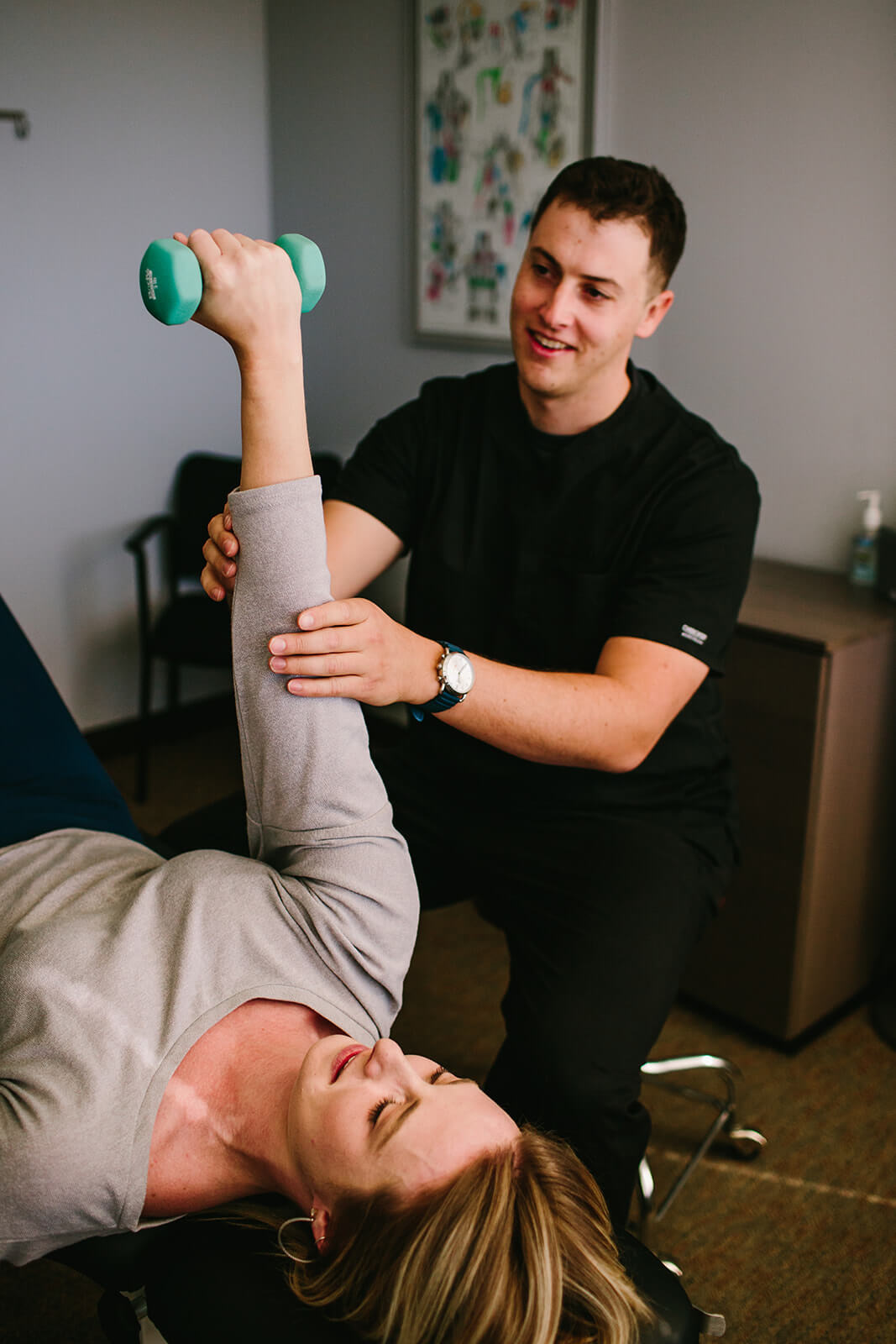
How soon after surgery should you start physical therapy? It depends on the procedure and your surgeon’s protocol, but for many surgeries rehab begins within the first days to weeks, and sometimes before you leave the hospital. Early, appropriate movement helps control swelling, protects the repair, and sets up a stronger recovery, while pushing too hard too soon can set you back.
Your surgeon sets the timeline and the restrictions, and we build your rehab around them. The best first step is to ask your surgeon when to begin, then schedule your evaluation so we are ready the moment you are cleared. If you are still weeks out from surgery, it is worth setting up your evaluation in advance, so there is no delay between clearance and your first session.
Stages of Post-Surgical Rehab
Rehab begins with a thorough evaluation to set goals and reduce the pain and swelling that can slow recovery. From there, your therapist designs a program tailored to your needs, abilities, and schedule. Post-surgical rehab generally moves through three stages, and the timing of each depends entirely on your procedure and your surgeon’s guidance.

Stage 1: Protection and Early Mobilization
In the earliest phase, the focus is protecting the repair and letting the body begin to heal. Care centers on managing pain and swelling and on gentle, surgeon-approved movement. Depending on the procedure, this may mean limited motion or weight-bearing, and your therapist works strictly within your surgeon’s restrictions.

Stage 2: Progressive Exercise
Once you are cleared to progress, rehab begins in earnest. Your therapist builds a plan to restore range of motion, stabilize the joint, and gradually rebuild strength, adjusting as you improve.

Stage 3: Full Recovery and Maintenance
As motion and stability return, therapy shifts to more advanced, functional training, rebuilding the strength, balance, and control you need for daily life, work, or sport, and reducing the risk of reinjury.
What Your First Post-Op Visit Looks Like
Your first visit starts with a full evaluation. Your therapist reviews your surgery, your surgeon’s protocol, and your health history, then assesses your current motion, strength, swelling, and function.
Together you set clear, realistic goals, and you leave with the start of a personalized plan, often including a few safe home exercises. New here? You can get set up as a new patient before you come in.
What to Bring to Your First Visit
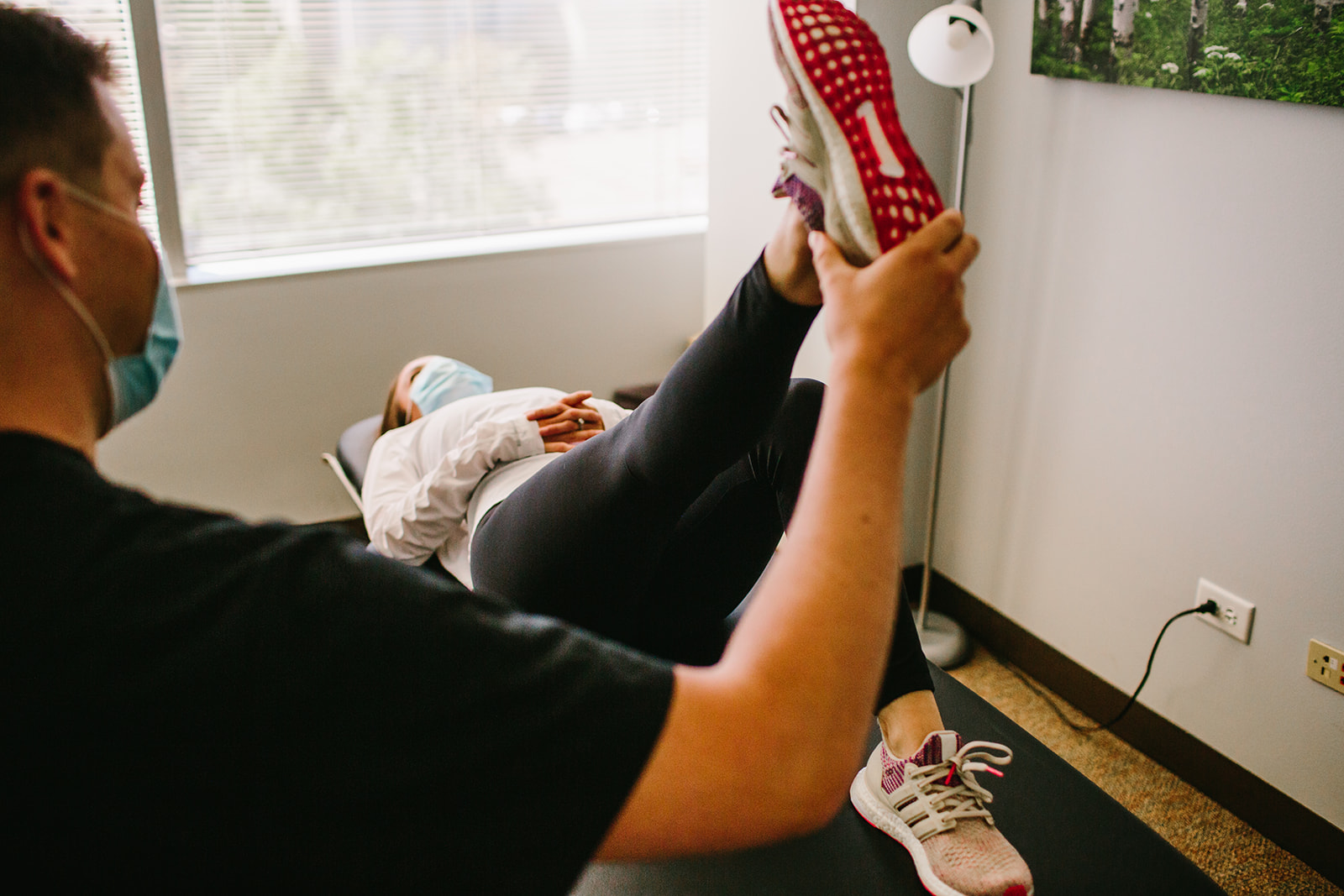
Please bring the following to your first appointment:

Your insurance card

Your primary intake forms

Your co-payment (if applicable)

A photo ID
Working With Your Surgeon’s Protocol
Every surgeon has a specific post-op protocol: the timeline, precautions, and milestones for your particular procedure. We follow that protocol closely, because your recovery depends on respecting the repair. We track your restrictions, progress you only when it is appropriate, and can coordinate with your surgeon’s office so everyone stays aligned on your progress. If your surgeon updates your plan, we adjust with it. Always follow your surgeon’s guidance first; our job is to carry it out and get the most from every stage of your recovery.
One-on-One Care Through Every Stage
At many large clinics, you are handed between aides and technicians and rarely see the same provider twice. Total Physical Therapy is built differently. You work one-on-one with your physical therapist at every visit, the same person who knows your surgery, your goals, and your progress.
That continuity means your plan is adjusted in real time, your questions are answered by the person actually treating you, and nothing falls through the cracks. For post-op recovery, where timing and technique matter and a missed restriction can cost you weeks, that personal attention makes a real difference. It is also what most patients tell us they were missing at a larger clinic: time with the person who actually knows their case.
Insurance and Referrals for Post-Surgical PT
We work with most major insurance carriers and keep the paperwork light so you can focus on recovery instead of administration. Coverage varies by plan, so we are glad to help you understand your benefits before you start. For more, see is physical therapy covered by insurance.
Wondering whether you need a referral? In Colorado, many patients can begin physical therapy without one, though some insurance plans require a referral or prescription for post-surgical care. We can help you sort out what your plan needs. See do you need a referral for physical therapy.
Post Surgery Physical Therapy FAQs
How soon after surgery should you start physical therapy?
It depends on the procedure and your surgeon’s protocol. For many surgeries, rehab starts within the first days to weeks, sometimes before you leave the hospital. Ask your surgeon when to begin, then schedule your evaluation so you can start as soon as you are cleared.
How long does post-surgical physical therapy take?
It varies widely by procedure, your starting point, and how your body responds, from a few weeks to several months. Your surgeon’s protocol and your therapist’s evaluation will give you a realistic range for your situation.
Does physical therapy after knee replacement hurt?
Some discomfort is normal as you restore motion and strength, but therapy should stay within a tolerable range. Your therapist works with your surgeon’s guidance to progress you safely without overdoing it.
Do I need a referral for post-surgical physical therapy?
Many patients in Colorado can start without a referral, but some insurance plans require a referral or prescription for post-surgical care. We can help you check what your plan requires before your first visit.
What should I bring to my first post-op appointment?
Bring your insurance card, your primary intake forms, your co-payment if one applies, and a photo ID. If you have your surgeon’s protocol or post-op paperwork, bring that too.
Will insurance cover my post-surgical physical therapy?
Most major carriers cover medically necessary post-surgical physical therapy, though coverage and out-of-pocket costs vary by plan. We work with most major insurers and can help you understand your benefits up front.
Schedule Your Post-Op Evaluation
Recovery goes best when rehab starts at the right time and is built around your surgery and your surgeon’s plan. If you have a procedure coming up or you have just been cleared to begin, schedule your post-op evaluation and we will build a personalized, one-on-one plan to get you moving again.